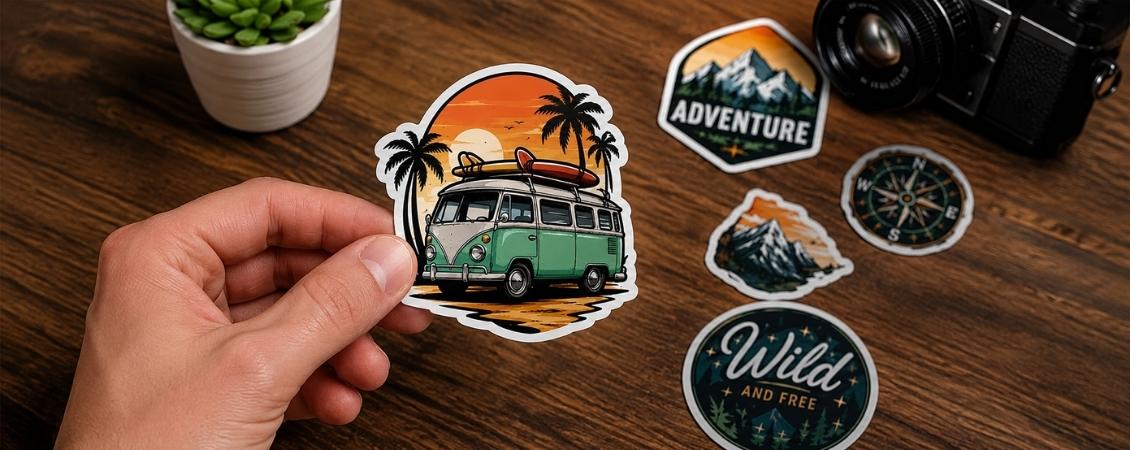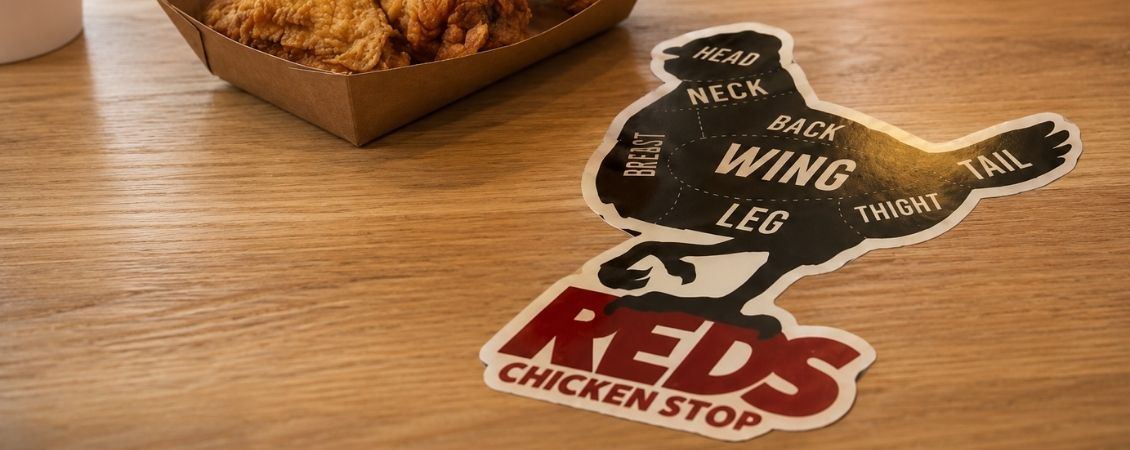
AI generated artwork is everywhere right now. From social posts to packaging designs and event flyers, businesses are using AI tools like ChatGPT, Midjourney and Adobe Firefly to create visuals faster than ever before.
One trend that’s really taken off is AI generated QR code artwork. You’ve probably seen examples online where QR codes are blended into illustrations, posters or product designs in a way that looks creative and futuristic.
But here’s the problem. A lot of them don’t actually work.
We’re seeing more people trying to print AI generated QR codes only to realise they either won’t scan properly or don’t link anywhere at all. While they might look convincing on screen, print works very differently and QR codes need to be set up properly if you want them to function correctly.
The good news is it’s actually really easy to avoid these problems once you know how QR codes work.
In this guide, we’ll explain why AI generated QR codes often fail, how to create working QR codes for print and how to make sure your designs still look creative without sacrificing functionality.
Table of Contents
What Is a QR Code?
Why AI Generated QR Codes Don’t Usually Work
The Best Way to Use QR Codes in AI Artwork
How to Generate a Proper QR Code
Best Practices for Printing QR Codes
Can You Customise QR Codes?
How to Track QR Code Analytics
AI Artwork and Print: Getting the Balance Right
In Conclusion
What Is a QR Code?
A QR code, short for Quick Response code, is a type of barcode that stores information in a machine readable format. When someone scans it using their phone camera, it instantly takes them to digital content like:
- Websites
- Menus
- Product pages
- Videos
- Contact details
- Social media accounts
- Booking forms
Unlike traditional barcodes, QR codes can store much more information and can be scanned from almost any angle.
They work using a very specific pattern of black and white squares. Your phone reads that pattern and translates it into usable information, usually a website link.
Because QR codes rely on precision, even small changes to the design can stop them from scanning properly.
Why AI Generated QR Codes Don’t Usually Work
This is where things get confusing.
AI image generators are brilliant at creating artwork that looks like a QR code but most of them aren’t creating genuine, functional QR codes underneath.
Instead, the AI is basically guessing what a QR code should look like based on existing images it’s learned from.
That means the final design might:
- Not contain any real data
- Not link anywhere
- Only work sometimes
- Stop working completely once printed
And unfortunately, print makes those problems even worse.
A QR code that seems fine on screen can suddenly become unreadable once printed because of things like:
- Small sizing
- Reduced contrast
- Viewing distance
- Print dot gain
That’s why it’s always best to generate your QR code separately rather than asking AI to create the actual code for you.
The Best Way to Use QR Codes in AI Artwork
The safest approach is to think of the QR code as a separate design element.
Instead of prompting AI to generate a working QR code inside the artwork, use it to create the main visual and leave space for the QR code to be added afterwards.
For example, your prompt could say:
“Create a futuristic event poster with space in the bottom right corner for a QR code.”
Or:
“Generate coffee packaging artwork with a clean white area reserved for a QR code at the bottom right corner.”
This gives you complete control over the QR code itself and helps make sure it’ll actually scan once printed.
It also means you can easily replace or update the QR code later without having to recreate the entire design.
Artwork generated with a QR Code
Artwork generated without a QR Code
How to Generate a Proper QR Code
Once your artwork is ready, you’ll need to create a proper QR code using a dedicated QR code generator.
There are loads of free and paid tools online that let you generate QR codes for things like:
- Website URLs
- PDFs
- WiFi passwords
- Social media pages
- Email addresses
- Digital business cards
Basic Steps to Create a QR Code
- Choose a QR code generator
- Search online for a reputable QR code generator.
- Select the type of QR code you want
- Most generators will ask what you want the code to do - for example open a website, download a PDF or connect to WiFi.
- Enter your information
- Paste in your website URL, upload your file, or type the information you want the QR code to contain.
- Customise the design (optional)
Many tools let you:
- Change colours
- Add a logo
- Adjust the shape
- Add frames or text
Just be careful not to over-design it, as this can affect scannability.
Generate the QR code
Click the generate/create button and the software will produce your QR code instantly.
When exporting your QR code, it’s best to:
- Use a high resolution file
- Download SVG, PDF or PNG formats where possible
- Test it on multiple phones
- Double check the destination link
- Keep the original file saved safely
Best Practices for Printing QR Codes
Even a properly generated QR code can fail if it hasn’t been designed correctly for print.
Here are some simple ways to make sure yours scans properly.
1. Leave Space Around the QR Code
QR codes need a clear border around them known as a quiet zone.
If text, graphics or patterns sit too close to the edges, phones can struggle to recognise the code properly.
Giving the code a bit of breathing room makes a huge difference.
2. Use High Contrast Colours
Black on white is still the most reliable combination.
While coloured QR codes can work, low contrast combinations can cause scanning issues. That includes things like:
- Light grey on white
- Metallic effects
- Neon colours
- Busy backgrounds
If you’re trying to blend a QR code into creative artwork, readability should always come first.
3. Don’t Make It Too Small
Tiny QR codes are one of the biggest causes of scanning problems in print.
As a rough guide:
- Small inserts should use at least 20mm x 20mm
- Posters and signage usually need much larger codes
- The further away someone scans from, the larger the QR code should be
- If someone has to move their phone around to get it to work, it’s probably too small.
4. Always Test Before Printing
This is the important one.
Before sending anything to print, always test your QR code:
- On different phones
- Under different lighting conditions
- At actual print size
Never assume that because it works on screen, it’ll work perfectly once printed.
Can You Customise QR Codes?
Yes, definitely. You just don’t want to overdo it.
Most QR code generators let you customise things like:
- Colours
- Rounded corners
- Logos
- Frames
- Call to action text
This is usually a much better option than asking AI to generate an artistic QR code from scratch.
You still get a creative, branded look while keeping the QR code functional and easy to scan.
Just remember that the more stylised the QR code becomes, the more important testing becomes too.
How to Track QR Code Analytics
One of the best things about QR codes is that they’re trackable.
Using dynamic QR codes or shortened links means you can monitor things like:
- Number of scans
- Device types
- Locations
- Time of scans
- Campaign performance
That’s especially useful for print marketing because it helps you understand how people are interacting with your printed products.
For example, you can track scans from:
- Flyers
- Posters
- Packaging
- Business cards
- Direct mail campaigns
Many QR code platforms include built in analytics dashboards and you can also connect links to Google Analytics using UTM tracking.
AI Artwork and Print: Getting the Balance Right
AI artwork is brilliant for speeding up ideas and creating eye catching visuals but print still needs technical accuracy behind the scenes.
The best approach is usually:
- Generate the artwork with AI
- Edit the design to meet your brand guidelines and style
- Leave space for the QR code
- Create the QR code separately
- Add it into the final artwork manually
- Test everything before printing
That way, you get all the creativity of AI without ending up with a QR code that doesn’t actually work.
In Conclusion
AI generated artwork is opening up loads of exciting possibilities for print design, especially for businesses wanting to create something unique quickly.
But when it comes to QR codes, appearance alone isn’t enough.
Most AI tools can’t reliably generate working QR codes which is why it’s always safest to create the code separately and add it into your final artwork yourself.
With the right setup, QR codes can turn printed products into interactive experiences that connect customers directly to your website, promotions, videos and social channels.
And with a bit of planning, you can make sure your designs don’t just look impressive, they work properly too.
.jpg)