It's easy to think of print and digital marketing as two separate things.
On one side, you've got social media, emails, websites and online adverts. On the other, you've got flyers, folded leaflets, posters and direct mail.
But customers don't see it that way.
Most people interact with businesses across multiple channels before they make a purchase. They might spot an advert on Instagram, receive a leaflet through the door a few days later and then visit the company's website when they're ready to buy. Every interaction builds familiarity and trust.
That's why the most effective marketing strategies don't focus on print or digital. They combine both.
When used together, print and digital marketing can help you reach more customers, create a stronger brand experience and make your campaigns more memorable.
Why Print Still Matters in a Digital World
Digital marketing gives businesses incredible opportunities to reach people quickly. You can launch a campaign in the morning and start seeing results the same day.
The challenge is that your audience is seeing hundreds, if not thousands, of digital messages every day. Social media feeds move fast, inboxes are crowded and online adverts are easy to ignore.
Print works differently.
A well designed flyer sits on a kitchen worktop. A book gets picked up multiple times before it's recycled. A direct mail piece lands directly in someone's hands.
Print creates a physical connection with your brand that digital channels often can't replicate. That's why combining the immediacy of digital marketing with the staying power of print can be so effective.
Turn Print Into a Gateway to Digital
One of the easiest ways to connect your print and digital marketing is by giving people somewhere to go next.
A flyer shouldn't just communicate information. It should encourage action.
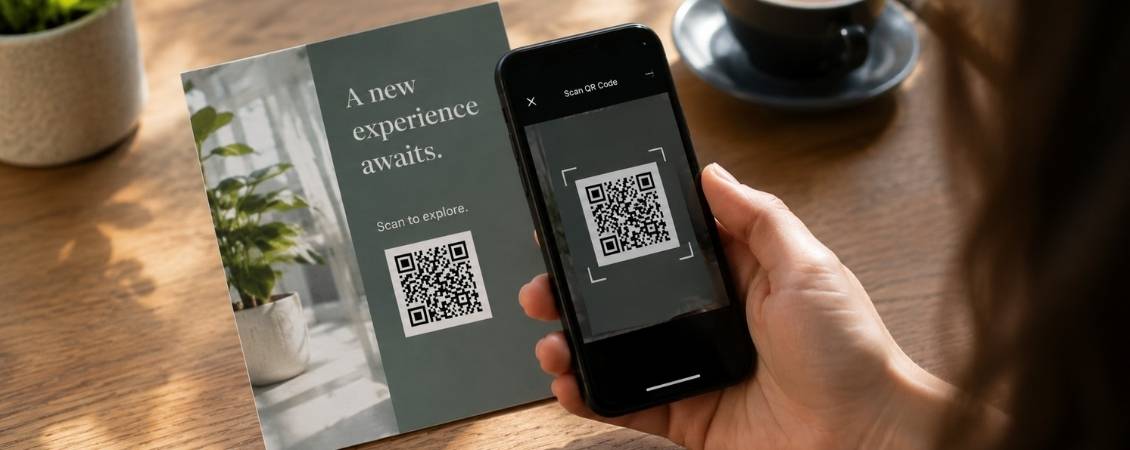
That might mean scanning a QR code to claim a discount, visiting a landing page to learn more about a product or following your business on social media.
Take a local gym, for example. Rather than simply listing membership prices on a leaflet, they could include a QR code linking directly to a free trial sign-up page. The leaflet creates awareness and the digital experience makes it easy to convert that interest into action.
The same principle works for brochures, posters, business cards and even product packaging.
Make Sure Everything Feels Connected
Have you ever visited a website after seeing a flyer and wondered if they were even from the same business?
It happens more often than you'd think.
Your print and digital marketing should feel like part of the same brand experience. That doesn't mean every piece of marketing has to look identical, but there should be consistency in your colours, imagery, messaging and tone of voice.
When someone moves from your leaflet to your website, or from a direct mail piece to your social media page, it should feel seamless.
The more familiar your brand becomes, the easier it is for customers to remember and trust you.
Don't Let Your Print Campaign End When It's Delivered
One mistake businesses often make is treating print campaigns as one-off activities.
They send out a leaflet drop, wait for results and move on to the next thing.
In reality, print works best when it's part of a wider campaign.
Imagine sending a promotional postcard to existing customers. A few days later, those same customers receive an email with more information about the offer. They then see supporting content on social media throughout the week.
None of those touchpoints are particularly powerful on their own. Together, they create a campaign that's much harder to ignore.
Customers often need several reminders before they take action. Combining print and digital marketing gives you more opportunities to stay front of mind.
Use Print to Grow Your Online Audience
Print can also be a surprisingly effective tool for building your digital presence.
A packaging insert can encourage customers to leave a review. A business card can drive traffic to your LinkedIn profile. A flyer can promote a competition hosted on Instagram.
These small connections help turn offline interactions into ongoing online relationships.
For smaller businesses in particular, this can be a valuable way to grow an audience without relying entirely on paid advertising.
Measure More Than You Think
One reason some businesses favour digital marketing is because it's easy to measure.
You can see clicks, visits, conversions and engagement almost instantly.
Print doesn't have to be a mystery, though.
Dedicated landing pages, promotional codes and QR codes can all help you understand how your printed materials are performing. If a flyer directs customers to a specific webpage, you'll quickly see how much traffic it's generating.
This makes it much easier to understand what's working and improve future campaigns.
The Best Marketing Doesn't Feel Like Separate Channels
The strongest marketing campaigns aren't built around individual channels. They're built around customer journeys.
Customers don't think in terms of print and digital. They simply interact with brands whenever and wherever they come across them.
A potential customer might discover your business through a poster, research you online, sign up to your emails and eventually make a purchase after receiving a direct mail offer. Every touchpoint plays a role.
When your print and digital marketing support each other, you create a more consistent experience that helps customers move naturally from awareness to purchase.
In Conclusion
Print marketing isn't competing with digital marketing and digital marketing isn't replacing print. Both have strengths, both have weaknesses, the real opportunity comes from combining them.
Whether it's using QR codes to drive traffic online, following up direct mail with email campaigns or making sure your branding stays consistent across every channel, small changes can make a big difference to the way customers experience your business.
The most successful marketing campaigns don't force businesses to choose between print and digital. They use both together to create a stronger, more effective strategy.
.jpg)