
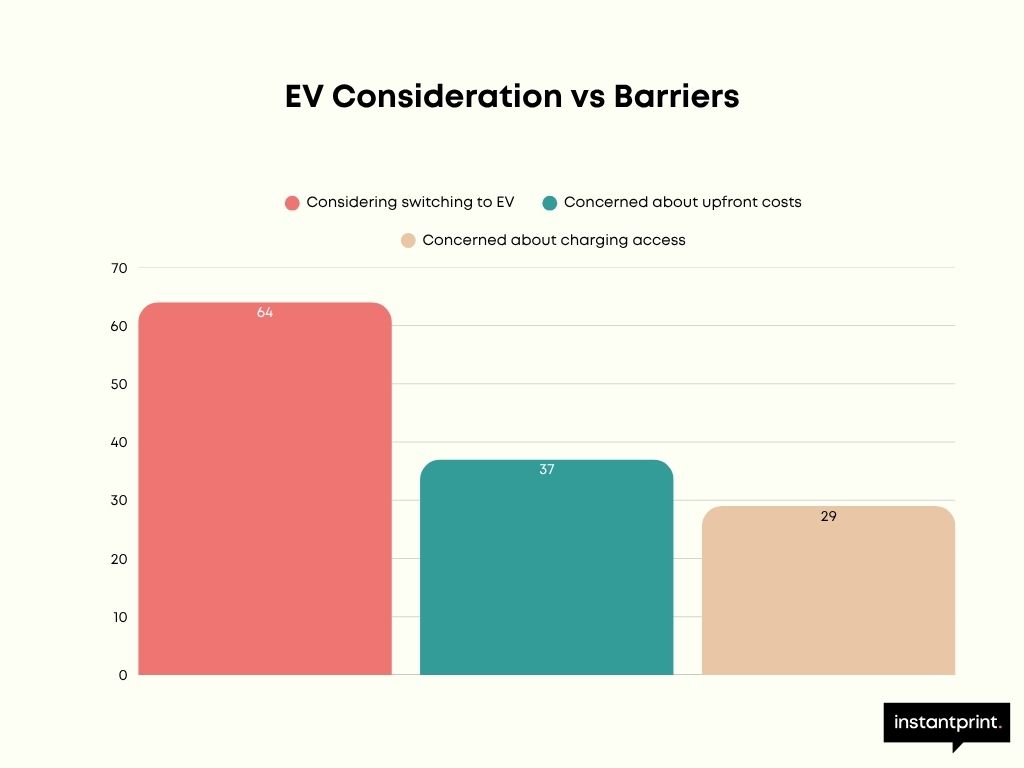
For years, electric vehicles have been framed as a lifestyle choice. Now, they’re starting to look more like a financial one. Our latest research shows that 64% of UK office workers are considering switching to an electric vehicle within the next two years, and the biggest driver isn’t trend or tech, it’s cost.
The Commute Is Getting Expensive, and We’re All Feeling It
The daily commute has quietly become one of the most expensive parts of working life. Between fluctuating petrol prices, rising insurance premiums and general cost of living pressures, getting to and from work is no longer a background expense.
In our survey of 2,000 UK office workers, 42% said they’re considering an EV primarily to reduce fuel costs, making it the single biggest motivator. For many, this is about regaining control over monthly spending.
It’s not just about fuel either. People are thinking more holistically about the cost of commuting, from maintenance to parking, and how those expenses build up over time. Against that backdrop, electric vehicles are being re-evaluated not as a luxury, but as a smarter long-term option.
From “Nice Idea” to “Actually Doable”
There’s been a noticeable shift in how EVs are perceived. What once felt like a future-facing option is now starting to feel realistic.
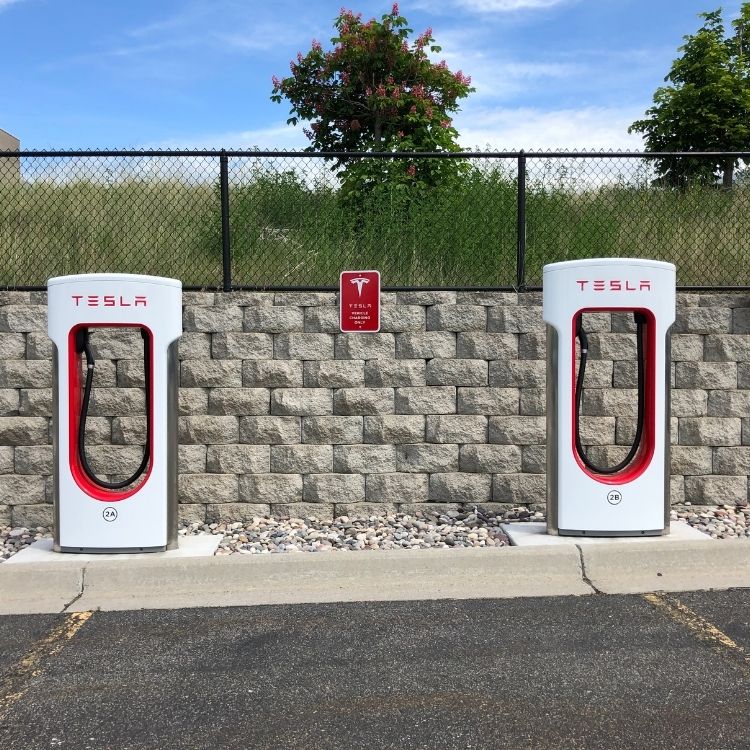
More than half (54%) of workers now believe electric vehicles are practical for everyday commuting, marking a clear shift from even a few years ago. Better battery range, more visible charging points and simply seeing more EVs on the road have all helped normalise the idea.
That practicality is key. People aren’t just curious about EVs anymore, they’re starting to picture how they’d fit into their daily routine.
That said, there are still hurdles. 37% of workers are concerned about upfront costs, while 29% say access to charging is still a barrier. The interest is clearly there, but for many, the switch still needs to make financial and logistical sense.
Why Workplaces Are Now Part of the Equation
One of the most interesting findings is how much influence employers can have.
One in three workers (33%) said they’d be more likely to switch to an EV if their workplace offered support, whether through salary sacrifice schemes, on-site charging or clearer information.
This reflects a broader shift. Employees are increasingly looking to their workplace to help manage everyday costs, not just provide income.
“Commuting costs are becoming a bigger consideration for workers across the UK, and people are actively looking for ways to make their money go further. Electric vehicles are increasingly being seen as a practical option to help manage those costs.”
— Dan Robinson, Head of Marketing and eCommerce
Based on what we’re seeing, businesses can support employees by:
- Offering salary sacrifice schemes to reduce upfront EV costs
- Installing workplace charging points
- Providing clear, jargon-free information on running costs
- Embracing flexible working to reduce commuting
Individually these changes are small, but together they can make a meaningful difference.
It’s About Cost First, Everything Else Second
Electric vehicles are often discussed through a sustainability lens, but that’s not what’s driving most decisions.
This shift is being led by cost, convenience and long-term value. Environmental benefits matter, but they’re not the primary motivator.
That signals a move towards mainstream adoption. When something becomes financially compelling, not just aspirational, it tends to stick.
What This Means for the Future of Commuting
The way we think about commuting is changing. It’s no longer just about getting from A to B, but about how much that journey costs and how predictable those costs are.
Electric vehicles are beginning to answer those questions in a way that resonates with today’s workforce. Not perfectly, and not for everyone, but enough to shift thinking from “maybe one day” to “this could actually work”.
For businesses, there’s a clear opportunity to support employees in making more cost-effective choices. For workers, the shift is already happening, with EVs becoming part of the everyday conversation around work, travel and personal finance.
.jpg)