In this spotlight, we spoke with Middle Child Theatre Company, a new writing theatre company and venue rooted in Hull, East Yorkshire. From shows in nightclubs and parks to performances in its own studio theatre, Middle Child is known for bringing high levels of energy to unexpected places.
We caught up with the team to discover how a £40 promise between friends became an award winning charity, how print helped audiences get more from its Fresh Ink playwriting festival and why originality matters in an increasingly automated world.
Tell us about your business! Who are you, what do you do, what’s your history, where did it all start?
Middle Child are a new writing theatre company and venue rooted in Hull, East Yorkshire. We set fire to expectations of what a night at the theatre can be. From electrifying gig theatre in Hull nightclubs to drag-inspired cabaret in London and family shows in Salford parks, we deliver unmissable performances in unexpected places, now bringing this raw and experimental energy to our very own venue!
We began 15 years ago when a group of mates put £40 into a bank account and promised to make some theatre together. Fast forward, we’re now an award winning charity, a national portfolio organisation and a resident company of the National Theatre in London.
We always prioritise wellbeing, in the stories we tell, the artists we develop and the people we employ. The social value of increasing access to great art drives everything we do.
Credit @stublucreative - Studio Blue Creative. Permission by Sarah Penny at Middle Child Theatre
What is your main challenge and how do you overcome it?
Our biggest challenge is making ambitious, high quality theatre while keeping it genuinely accessible. We want to pay artists properly, take creative risks and make brilliant work, while ensuring that cost, confidence or circumstance aren’t barriers to experiencing it.
We overcome that by being resourceful, building strong partnerships and staying rooted in the communities we serve. Whether that means affordable tickets, free opportunities for emerging artists or finding unexpected ways to reach new audiences, we’re always asking how we can make the biggest impact with the resources we have.
Being a small organisation also means we have to be adaptable. We’ve grown from a group of mates putting a few quid into a bank account to running our own venue, but we’ve tried to hold onto that DIY spirit, making things happen, trying new ideas and not being afraid to do things a little differently.
What made you choose instantprint?
We chose instantprint because we wanted a print partner that could keep up with the way we work: fast, creative and sometimes a little last minute! We produce everything from show flyers and festival programmes to posters and materials for our venue, so having reliable, high quality print that doesn’t blow the budget is really important to us.
As a charity, every pound matters, but we also don’t want our work to look cheap. instantprint gives us the flexibility to create bold, playful print that feels like Middle Child, while still being affordable and easy to order. It was a simple decision.
Credit @stublucreative - Studio Blue Creative. Permission by Sarah Penny at Middle Child Theatre
Thinking about your wins with print marketing, what advice would you give to businesses like yours?
In the age of AI, more and more creative businesses are forgetting the art of creating something unique and slightly imperfect, with all its raw, messy edges.
For us, print marketing works best when it feels like an extension of who we are, rather than simply a way of advertising something. Don’t be afraid to make something playful and distinctive. Something people might actually want to pick up, keep or pass on!
How do you make your customers feel special and understood?
For us, it starts with making people feel like theatre is for them. We know that traditional theatre spaces can sometimes feel intimidating or like you need to know the rules before you walk through the door, so we work hard to remove those barriers.
That means everything from affordable tickets and a warm welcome to making sure our language feels human, and our marketing reflects the people we want to reach. We listen to our audiences and communities, build long term relationships and try not to make assumptions about what people want from us.
Ultimately, we want people to feel a sense of ownership over Middle Child, that this is their theatre, their space and somewhere they can turn up exactly as they are. The kettle is always on!
Credit @stublucreative - Studio Blue Creative. Permission by Sarah Penny at Middle Child Theatre
What print products do you order from us and how have they brought you success?
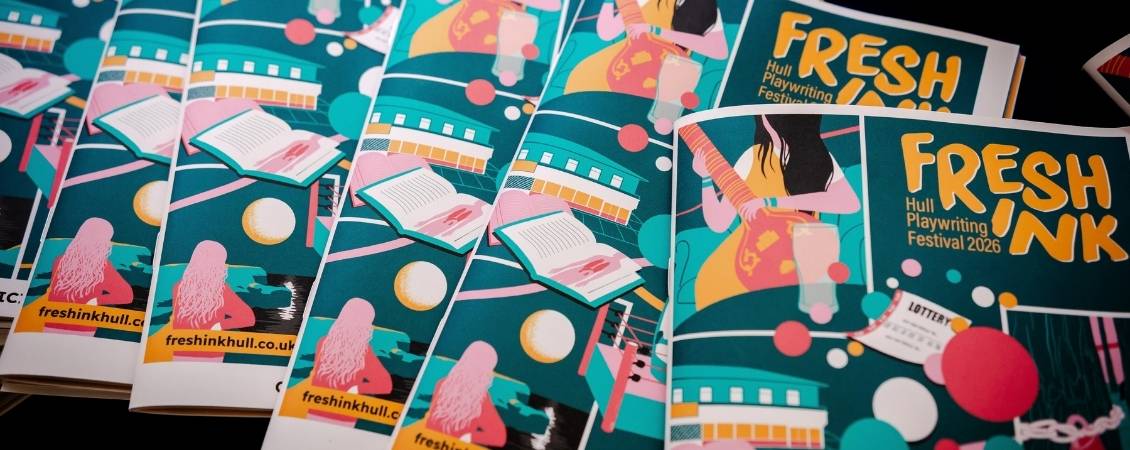
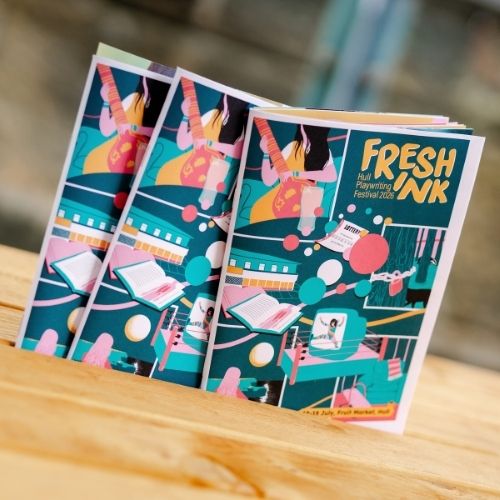
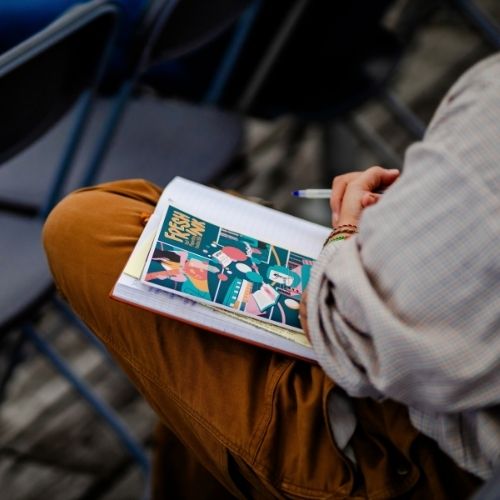
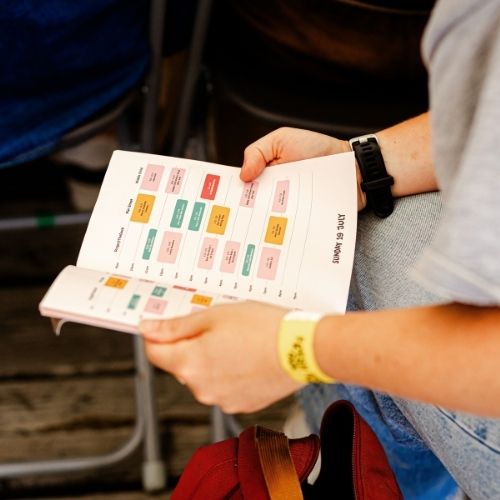
We ordered brochures for our playwriting festival, Fresh Ink, and they became a really important part of the festival experience. With so many brilliant shows, workshops, talks and events happening across the weekend, the brochures helped audiences navigate the programme and discover something they might not otherwise have found.
They were also a great opportunity to showcase our bold festival branding and celebrate the brilliant artists we work with. There’s something special about putting a beautifully designed programme directly into someone’s hands! It made the festival feel like an event, gave audiences something tactile to engage with and helped them make the most of the weekend.
What are your top print tips for other creators and businesses?
I’d say don’t treat print as an afterthought. Think about what it can do that a social media post can’t. It can be held, scribbled on, folded up, stuck on a fridge or rediscovered in a bag.
Keep it useful, give it a strong identity and make sure it sounds and looks like you. We also love print that has a bit of personality and doesn’t take itself too seriously.
Why do you use print marketing alongside digital marketing?
Digital marketing is brilliant for reaching people quickly, but print gives us a different kind of connection. Theatre is a live, shared and tangible experience, so there’s something lovely about marketing it with something you can actually hold in your hands.
Print also helps us reach beyond our existing online audiences. A brochure picked up in a café, library or community space can introduce someone to Middle Child who might never have seen one of our social posts.
We don’t see print and digital as competing with each other. They do different jobs. Digital helps us start conversations and build momentum, while print gives our work a physical presence in the city we call home.
.jpg)