The workplace habits quietly draining morale, and the small changes that fix them
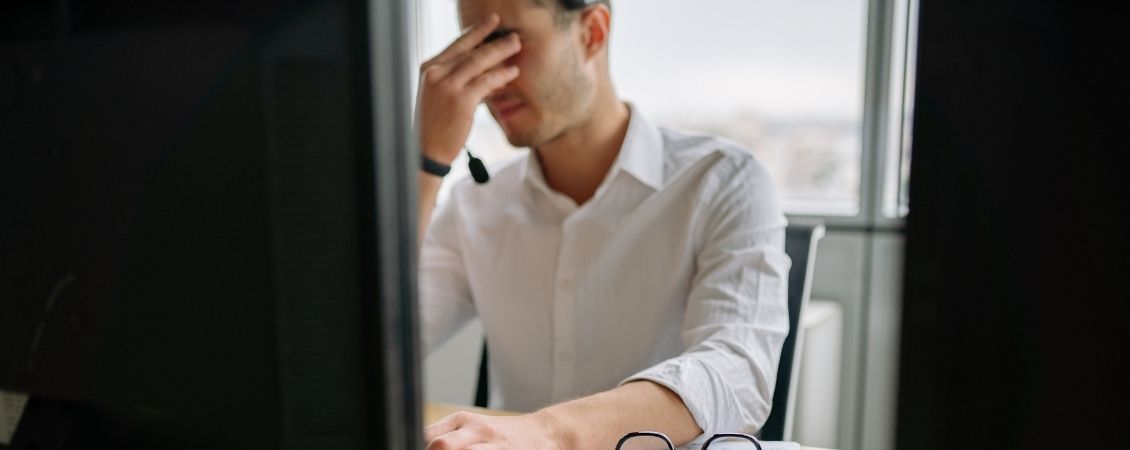
72% of UK office workers say workplace etiquette has got worse over the last three years and it is not pay, perks or performance targets driving the frustration.
It is the everyday habits people bring into shared spaces.
From loud Teams calls in open plan offices to the slow chaos of “who left this mug in the sink?”, our latest research surveying 2,000 UK office workers reveals that summer does not just raise temperatures. It raises tolerance thresholds too.
In 2026, those frustrations are being filtered through a very different cultural lens: TikTok workplace humour, “main character energy” behaviour, and the rise of phrases like “delulu” and “aura points” being used to describe office etiquette in real time.
When Summer Turns Small Habits Into Big “Icks”
On paper, office habits are minor irritations. In reality, they are emotional accumulators.
61% of workers say bad office habits directly reduce motivation, while 44% say they impact how professional they perceive colleagues to be.
Summer simply speeds that process up.
Heat, hybrid working patterns and disrupted routines mean small behaviours feel louder, sharper and harder to ignore.
Noise remains the biggest trigger. 58% of workers say loud phone or video calls at desks are their number one workplace frustration, followed closely by messy shared spaces at 52%.
But in 2026, it is not just what people are doing that matters. It is how it is perceived through a more socially aware, hyper online workplace culture where behaviours are quickly labelled, shared and joked about.
What used to be “a bit annoying” is now often described as an instant “aura point deduction”.
The Summer Office Ick List 2026
When asked what triggers the strongest workplace “icks” during summer, UK workers highlighted a mix of practical frustrations and social behaviour clashes.
- Colleagues who insist on opening windows while the air conditioning is clearly doing its job
- Microwaving fish or strongly scented lunches in peak office heat
- Taking Teams calls on speaker in an open plan office like everyone asked to join
- Turning up visibly sweaty and acting like nothing is happening
- Playing TikTok or Reels out loud without headphones in shared spaces
- The ongoing office temperature wars between “too hot” and “too cold” factions
- Wearing excessive aftershave or perfume that intensifies in warm weather
- Talking about upcoming holidays nobody has asked about (yet)
- The daily “is it Friday yet?” commentary starting on Monday morning
- Leaving melted ice cream wrappers, iced coffee cups and general drink chaos everywhere
- Standing directly in front of the only fan in the office as if it is assigned seating
- Taking personal video calls at desks with full volume background noise included
- Wearing flip flops in the office and announcing every step down the corridor
- Bringing portable desk fans that sound like a small aircraft preparing for take-off
- Abandoning half finished iced coffees across desks like seasonal artefacts
- Humblebragging about being “fully booked all summer” while visibly doing nothing new
- Running a desk-side “weather update” every hour as if it is breaking news
- Booking meeting rooms purely for the air conditioning rather than the meeting
- Returning from holiday and presenting 500 photos no one has capacity to process
- Replying “circling back” on a sunny Friday afternoon when productivity has already checked out
While none of these behaviours are dramatic in isolation, 53% of workers say repeated small irritations build resentment over time, especially in hybrid environments where time together is already limited.
In 2026, that frustration is increasingly being expressed in a new language: what might once have been a minor annoyance is now described as an instant “aura point deduction”.
The Science Behind Why Small Summer Habits Matter So Much
Humans are highly sensitive to fairness and shared norms. When people feel they are making an effort but others are not, frustration builds quickly.
Psychological research into workplace behaviour consistently shows that perceived disrespect, even in small doses, can trigger stress responses similar to heavier workloads. In practice, this means a noisy call or messy kitchen is not just inconvenient. It signals imbalance.
Our data reflects this shift. 53% of workers said they would feel more engaged if office etiquette was addressed more openly, while 48% believe it would improve team relationships.
This is especially important in hybrid workplaces, where time together is limited. Negative experiences stand out more sharply and are less likely to be smoothed over in day-to-day interactions.
The Habits That Actually Improve Summer Work Life
The good news is that the behaviours people value most are not complex or expensive.
When asked what genuinely improves their working day, respondents highlighted the basics.
64% said respecting noise levels and using headphones had the biggest positive impact on morale, making it the most valued office habit overall.
Clean shared spaces ranked second at 59%, followed by clear and polite communication at 55%.
Punctuality, preparation for meetings and basic courtesy such as acknowledging messages completed the top five.
In fact, 46% of workers said simple politeness has more impact on morale than perks like free snacks or social events.
It turns out feeling respected still beats free refreshments.
Expert Insight: Why Employers Should Pay Attention
Laura Mucklow, Head of instantprint, believes the findings highlight how quickly small behaviours shape workplace culture.
“Summer tends to amplify everything. When people are already dealing with heat and disrupted routines, small habits that might normally go unnoticed can suddenly become the thing everyone is talking about.
What stands out is that it is rarely one big issue driving frustration. It is repeated small behaviours like noise, mess or communication styles that gradually impact morale over time.
The encouraging part is these are also the easiest things to fix, as long as expectations are clear and consistently reinforced.”
What Businesses Can Do Next
The research suggests that improving workplace culture does not always require large scale change.
Instead, it comes down to clarity and consistency.
- Set clear expectations around noise, cleanliness and communication
- Reintroduce simple etiquette guidance for hybrid teams
- Encourage managers to model positive behaviours consistently
- Create safe ways for employees to raise small frustrations early
- Recognise that unspoken rules are no longer shared across generations
The Bigger Picture
Workplace culture in 2026 is no longer defined only by values statements or benefits. It is shaped in micro moments.
A loud call. A messy kitchen. A passive aggressive message sent just before logging off on a Friday.
While Gen Z might call it “losing aura points” and Millennials might describe it as “low vibe energy”, the underlying issue is consistent across all generations.
People want to feel considered. Because when summer hits, it is not just the temperature that rises. It is awareness of everything else too and in that environment, the smallest habits leave the biggest impression.
.jpg)