.jpg)
Workplace Research
Career Catfishing: 1 in 3 Gen Z Workers Admit to Ghosting Employers After Accepting a Job Offer
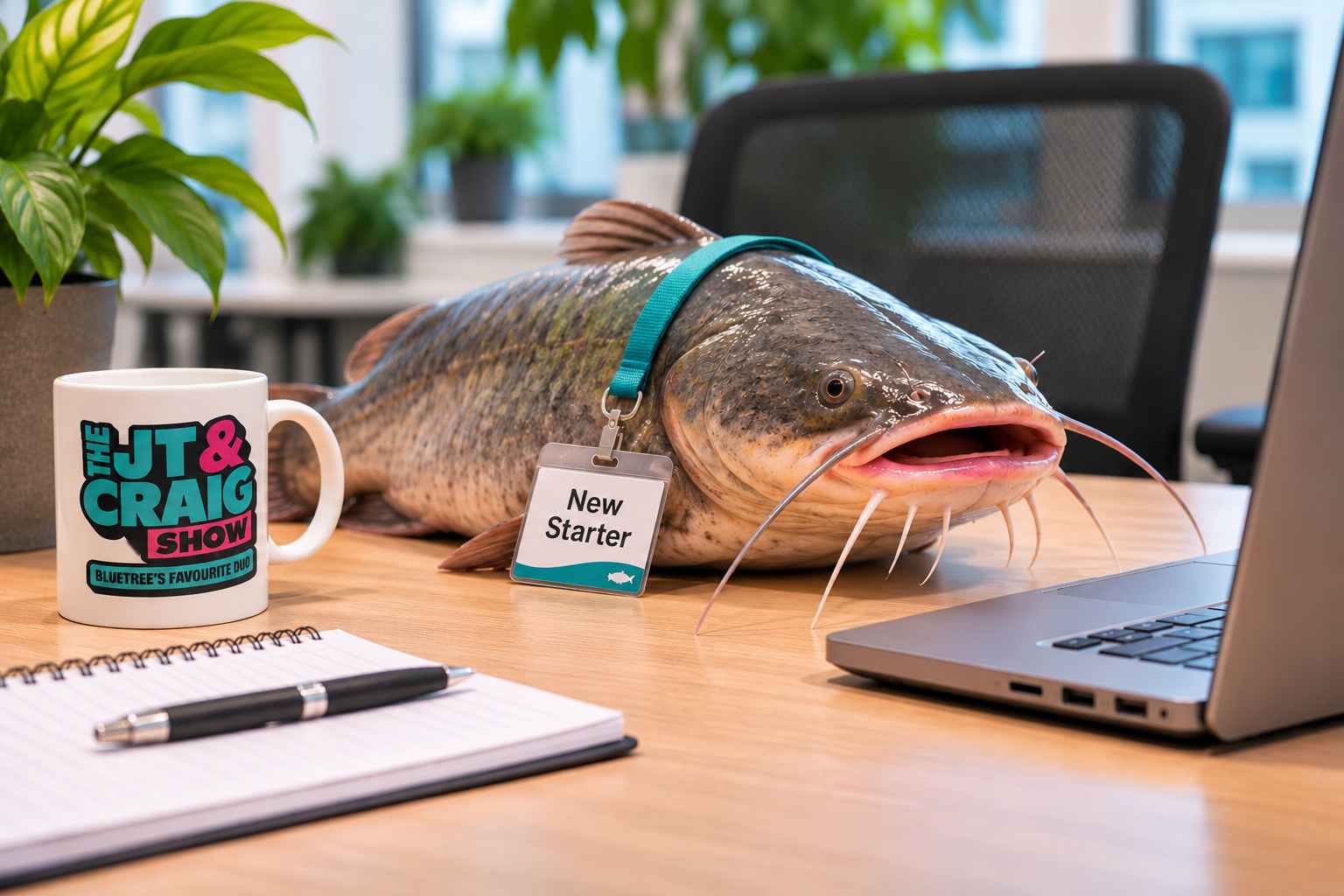
When a job offer gets accepted, but the new starter never arrives.
You've nailed the interview, negotiated the salary and signed on the dotted line. But when Monday morning rolls around, you're nowhere to be seen. Welcome to the world of career catfishing.
Research figures for instantprint's career catfishing campaign put the spotlight on a growing workplace dilemma, with 34% of Gen Z workers admitting to accepting a job offer only to back out before their first day without telling their new employer.
And while ghosting might be something we associate with disastrous dating app encounters, it seems the habit has officially entered the workplace.
34%
of Gen Z workers ghosted after accepting an offer
22%
of UK office workers ghosted during recruitment
61%
have been ghosted by an employer
48%
reconsidered an accepted offer during their notice period
Signed, Sealed, Disappeared: The Rise of Career Catfishing
Imagine spending weeks interviewing candidates, reviewing CVs and finally finding the perfect person for the role. They've accepted the offer, you've started preparing their onboarding and the team is excited to meet them.
Then their start date arrives.
No email. No phone call. No new employee.
It's the workplace equivalent of being stood up on a first date, except this time there's an empty desk, a disrupted recruitment schedule and potentially thousands of pounds in wasted resources.
The campaign figures suggest that 27% of UK workers have accepted a job offer while still actively pursuing other opportunities, while 19% admit they've verbally committed to a role despite knowing they were unlikely to take it.
For employers, this creates an increasingly unpredictable hiring landscape where even an accepted offer doesn't guarantee a new starter.
And the generational divide is difficult to ignore.
Gen Z vs Boomers: Who's Most Likely to Ghost Their New Boss?
While every generation has experienced second thoughts about a job, younger workers appear significantly more comfortable with disappearing from the recruitment process altogether.
The campaign explores whether UK office workers have ever accepted a job offer and subsequently failed to inform the employer that they wouldn't be joining.
Have ghosted an employer after accepting an offer
Almost 5× the Baby Boomer rate
The figures put Gen Z workers at almost five times the rate of Baby Boomers when it comes to career catfishing.
But before older generations start drafting another LinkedIn post about the youth of today, the trend isn't exclusively a Gen Z problem.
More than a quarter of Millennials also admit to ghosting an employer after accepting an offer, suggesting the behaviour extends well beyond the youngest members of the workforce.
The difference may lie in how generations view their relationship with employers.
For older workers, accepting a job offer has traditionally represented a firm commitment. For younger employees navigating competitive salaries, flexible working arrangements and changing career expectations, an offer may feel more like one option among several.
And when a better opportunity comes along, some candidates would rather disappear than have an awkward conversation.
Better Salary, Better Perks, Better Ghost: Why Workers Disappear
So what's actually driving career catfishing?
While it might be tempting to put the behaviour down to poor communication skills, the campaign figures point towards more practical motivations behind the disappearing act.
Among respondents who admitted to ghosting an employer after accepting a job offer, the most commonly reported reasons were:
Reasons given by respondents who ghosted after accepting an offer
The figures paint a picture of a workforce that isn't necessarily afraid of commitment, but is increasingly willing to prioritise its own interests.
Salary remains a major deciding factor, but workplace flexibility, company culture and the overall recruitment experience are also influencing whether candidates follow through on an accepted offer.
Perhaps most interestingly, more than a quarter of those who ghosted employers said they simply didn't know how to communicate their decision.
In other words, sometimes career catfishing isn't about landing a better opportunity. It's about avoiding an uncomfortable email.
The Awkward Truth: Employers Are Getting Ghosted, Too
Of course, ghosting isn't a one-way street.
For years, jobseekers have shared stories of attending multiple interviews, completing lengthy application tasks and waiting weeks for feedback that never arrives.
And the campaign figures suggest those experiences may be influencing how candidates behave in return.
61% of UK office workers say they've been ghosted by an employer during a recruitment process, while 39% believe employers and candidates should be held to the same standards of communication.
Among Gen Z respondents, 44% agree that disappearing from a recruitment process is understandable if an employer has previously treated them poorly.
That doesn't necessarily make ghosting acceptable, but it does suggest that candidates' experiences with recruiters may be shaping their expectations of professional courtesy.
For employers, the message is clear: recruitment is no longer simply about deciding whether someone is right for the business. It's also about convincing candidates that the business is right for them.
And that impression starts long before their first day.
The Real Cost of an Empty Desk
Career catfishing might sound like another quirky workplace trend, but for businesses, the consequences can be surprisingly serious.
When a candidate disappears after accepting an offer, employers may need to restart the recruitment process, redistribute work among existing employees or delay important projects.
For smaller businesses in particular, losing a new starter at the last minute can create significant operational pressure.
And it's not just the immediate disruption that matters.
A poor recruitment experience can also affect morale, particularly when existing employees have spent time preparing to welcome a new colleague.
The campaign figures highlight how fragile the period between accepting an offer and starting a role can be, with 48% of respondents saying they've reconsidered an accepted job offer during their notice period, while 32% admit they continued checking job adverts after accepting a new position.
For businesses, this means the recruitment process shouldn't end when a candidate says yes.
The weeks between offer acceptance and the first day could be some of the most important in securing a successful hire.
Don't Get Left on Read: How Employers Can Stop Career Catfishing
The team at instantprint highlights the importance of maintaining strong communication throughout the recruitment journey, particularly during the period between a candidate accepting an offer and joining the business.
Accepting a job offer should be an exciting moment for both the candidate and the employer, but that doesn't mean the relationship should be put on hold until the first day.
Candidates are often making significant decisions about their careers, finances and work-life balance. Employers who continue building trust, communicating expectations and making new starters feel welcome can help reduce uncertainty during this period.
While disappearing without an explanation can be frustrating for hiring teams, businesses should also consider whether their recruitment experience is giving candidates the confidence to follow through on their decision.
To help businesses avoid being left with an empty desk, instantprint shares five practical ways to keep new hires engaged.
Keep the conversation going after the offer
Don't let the weeks between signing the contract and starting the job become a communication black hole.
A quick check-in, a welcome email or an introduction to the team can help candidates feel reassured that they've made the right decision.
Be upfront about salary, flexibility and expectations
With better pay elsewhere emerging as a major reason for career catfishing, employers need to make sure they're offering competitive packages and communicating the full value of the role.
Be transparent about salary progression, hybrid working arrangements and any benefits that could influence a candidate's decision.
Make onboarding feel personal
A thoughtful welcome can go a long way.
Whether it's a personalised welcome pack, a printed induction guide, custom printed mugs for their new desk or a handwritten card from the team, small gestures can help new starters feel valued before they've even walked through the door.
Make it easy for candidates to be honest
Not every candidate who changes their mind is trying to be difficult.
Some simply feel uncomfortable delivering disappointing news.
Create an open environment where candidates feel able to ask questions, raise concerns or explain if their circumstances have changed.
Don't ignore your own recruitment red flags
If candidates are regularly withdrawing after accepting offers, it might be time to look at the bigger picture.
Lengthy recruitment processes, unclear job descriptions and inconsistent communication can all create uncertainty.
Gather feedback from candidates and new starters to understand where the experience could improve.
From First Impressions to First Days: Why the Candidate Experience Matters
Career catfishing reflects a wider shift in how people approach employment.
For younger workers in particular, a job offer doesn't always represent the finish line. It can be one stage in a longer decision-making process, with salary, flexibility and workplace culture all competing for attention.
But while candidates have every right to reconsider a role, disappearing without an explanation can damage professional relationships and create unnecessary disruption.
The same principle applies to employers who leave applicants waiting indefinitely for feedback.
Ultimately, the solution isn't about forcing candidates to commit earlier or expecting businesses to tolerate poor communication.
It's about creating a recruitment experience built on honesty, transparency and mutual respect.
From clear job descriptions and regular updates to thoughtful welcome materials and engaging onboarding, every interaction offers an opportunity to strengthen the relationship between employer and employee. Even something as simple as a team welcome coffee with personalised mugs can help make a first day feel more inviting.
Because when a third of Gen Z workers are prepared to ghost after accepting an offer, getting someone to say yes is only half the battle.
Making sure they actually turn up? That's where the real work begins.

.jpg)